What We Do
We work through implementation of projects and programs in Tanzania. Main themes that we work in and activities that we do are the following: –
AGRICULTURE, CLIMATE CHANGE, FOOD SECURITY AND INCOME STRENGTHENING PROGRAMME.
With regard to agriculture and food security, AFREDA has supported and continues to support farmers through initiatives such as crop rotation, irrigation, organic farming, vegetable gardening, soil erosion control, pest management, and crop diversification. These efforts have reached over 200,000 farmers across Mara, Morogoro, Kagera, Tabora, Lindi, Kilimanjaro, Tanga, and Coast Regions, indirectly benefiting more than 4,000,000 household members, most of whom are children. AFREDA emphasizes inclusive approaches such as theater groups, demonstration farms, diarists who track community changes, and deliberate involvement of people with disabilities. Alongside these efforts, over 100,000 women and 700,000 youth have been empowered through income generating programs, including small business capital support, credit management training, and financial linkages.
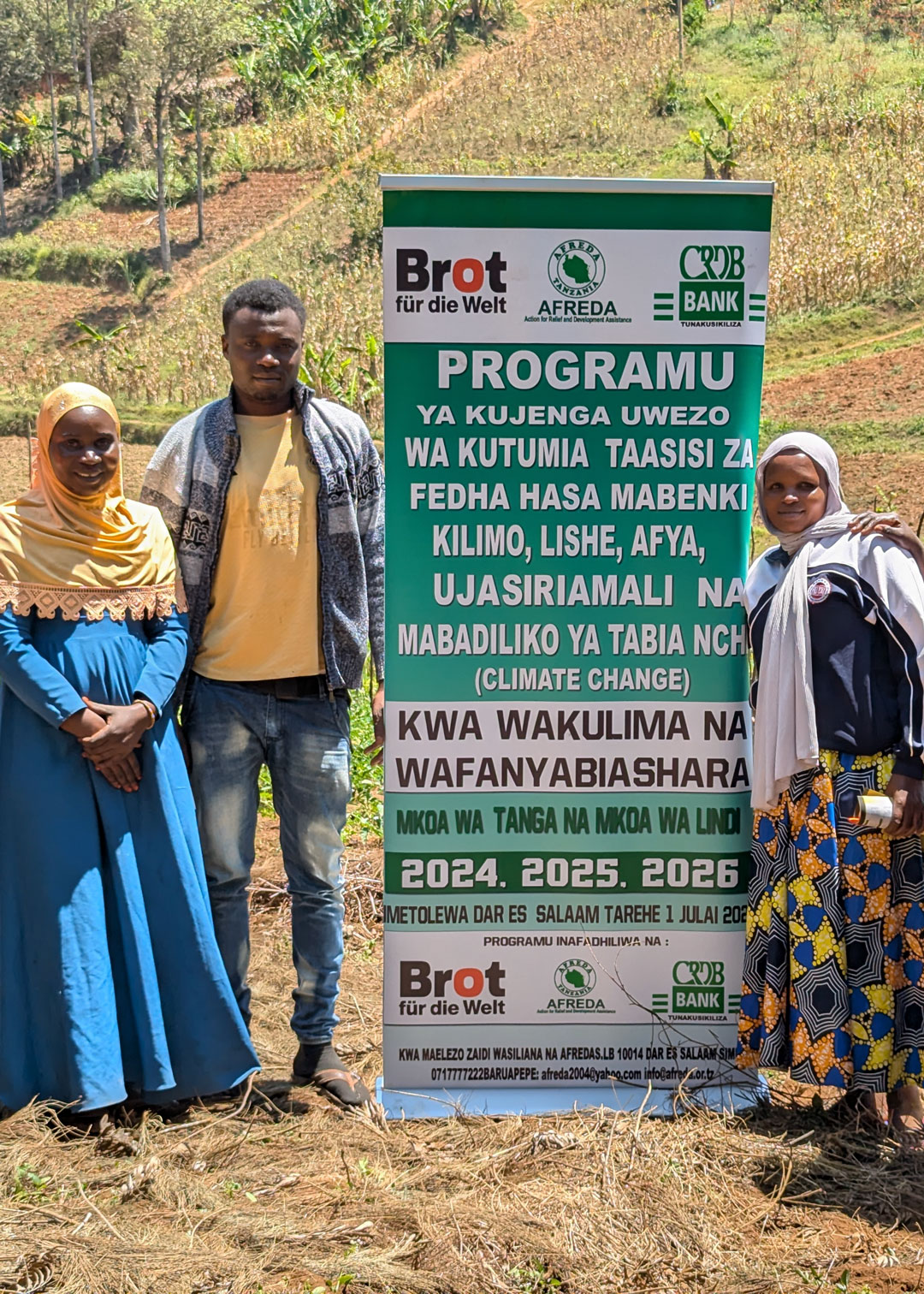
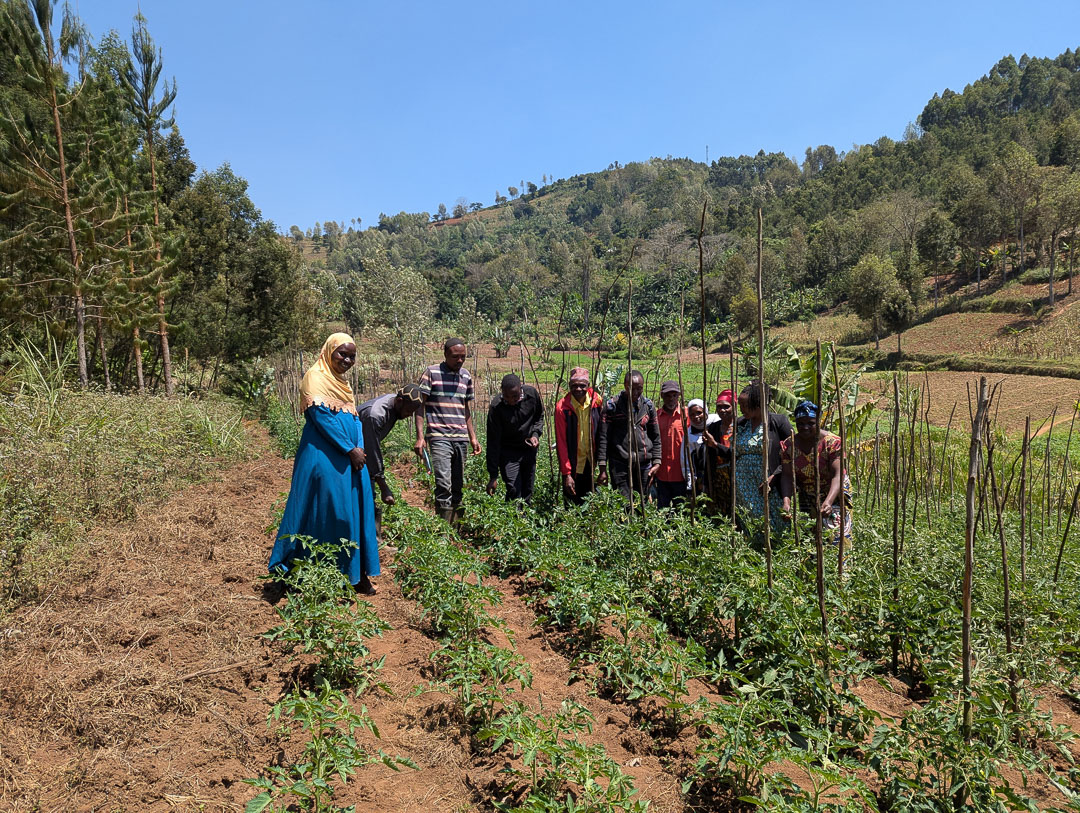
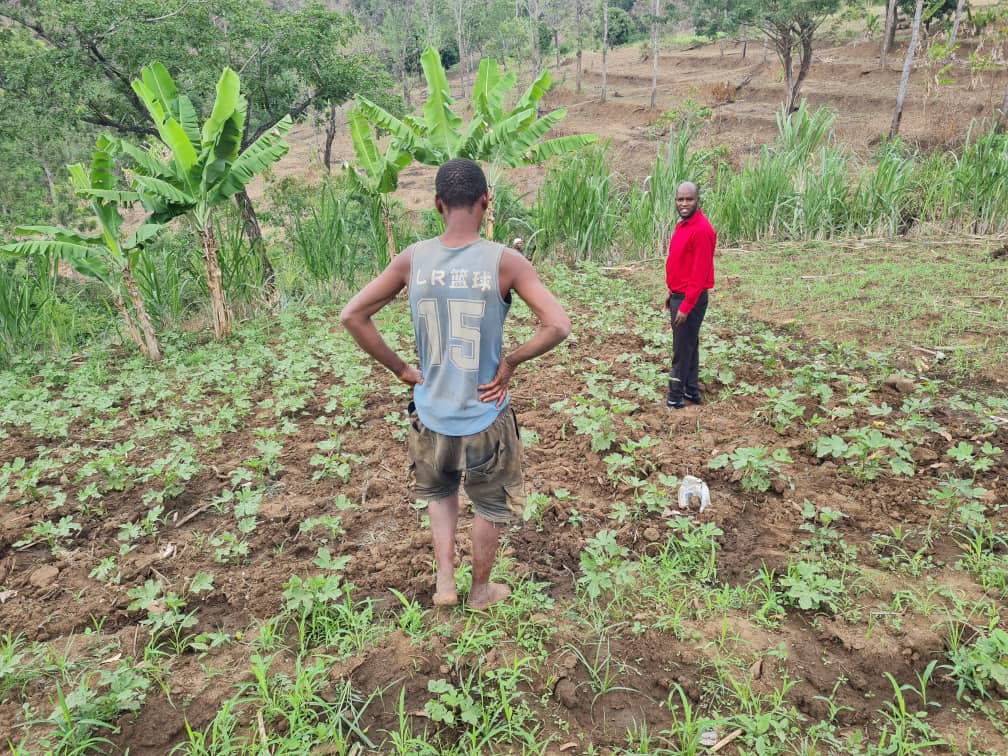
During field visits, AFREDA staff supported farmers with initiatives such as crop rotation, irrigation, organic farming, vegetable gardening, soil erosion control, pest management, and crop diversification to improve agricultural productivity and food security
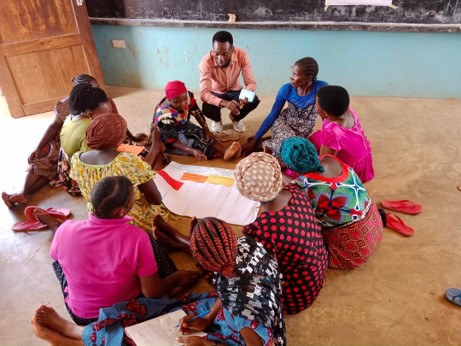
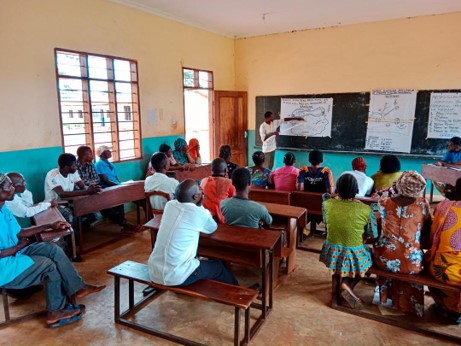
With regard to Climate change AFREDA provides education on climate change, resilience, adaptation, and mitigation, using the Participatory Assessment of Climate and Disaster Risks (PACDR) approach. Climate change initiatives are currently active in Tanga and Lindi, with plans to expand to Mtwara, Mara, Kigoma,Coast, Manyara, Singida, Kagera, Shinyanga, Mwanza, Geita, Dar es Salaam, and Simiyu Regions. 50000 villagers/farmers in Tanga region and in Lindi region have been reached directly and indirectly with regard to climate change resilience, adaptation and negative impacts mitigation.
ANTICIPATED ACTIVITIES UNDER THIS THEME
Organize climate change empowerment sports and game competitions bonanza events in villages to engage community members (boys, girls, women, young women, and young men) and facilitate planting of trees in primary schools.
- Organize mobilization forums engaging women from targeted villages, youth (females and males) and children from clubs to raise awareness on climate change, its causes, impacts, and resilient actions (especially the role of planting and restoration of damaged forests).
- Organize empowerment sessions for youth and women groups on agro-ecological actions and practices.
- Facilitate the establishment of women and youth agro-ecological farming plots.
- Organize capacity development training for women and youth (females and males) who are representatives of village climate and environment committees on policies and procedures related to climate change and sustainable resource management.
- To improve Soil Health through crop rotation, cover cropping, and organic matter management practices.
- To promote biodiversity Farms through diverse cropping systems and encourage wildlife habitats to improve ecosystem health.
- To empower women opportunities by creating economic opportunities through agroecological ” practices such as value – added processing of crops.
- To conduct Sensitization and mobilization meetings for farmers group formations
- Conduct trainings and capacity building to farmers on Agroecology principles practices.
- Develop simplified training manuals in Swahili (with illustrations and case studies)
- Conduct village-based training sessions (people per village)
- Deliver mentoring and coaching sessions for village leaders and youth champions
- Form peer learning groups (targeting young women)
- Mobilize mobile land registration teams in villages
- Build digital land record database (maintained by trained youth)
- Conduct environmental Education in Eco-School Clubs
- Establish and Manage Tree Nurseries in target schools
- Mobilize the community participation during tree planting campaigns
- Conduct training in beekeeping and spices processing
- Conduct training in business development skills and entrepreneurship
- Conduct training on ecologically friendly micro-enterprise establishment and management
- Promote ecologically friendly income-generating activities to the local community adjacent to Forests by conduct training sessions to participants on both theoretical and practical establishment of syntropic agroforestry farming.

WATER & SANITATION, HEALTH AND HIV AND AIDS PROGRAMME.
With regard to water and sanitation, AFREDA has provided potable water to communities in the District of Gairo in Morogoro Region whereby over 20,000 community members have benefited. The use of theater performances in educating communities is paramount and over 5,000 theater group members have been trained and are educating communities during performances with regard to water, health, sanitation, STIs, HIV and AIDS, Malaria, Bilharzia and Diarrhea.
With regard to other health related diseases, AFREDA has worked in Malaria, Diarrhea and Bilharzia where 8,000 school children have been trained on causes, symptoms and actions to be taken. 15,000 community members have equally been trained with regard to Malaria, Diarrhea and Bilharzia diseases.
With regard to HIV and AIDS AFREDA works in HIV and AIDS as well as sexual and reproductive health and rights education in Tanzania. With regard to sexual and reproductive health and HIV and AIDS, boys and girls in and out of school are trained in various aspects of HIV and AIDA as well as sexual and reproductive health and rights. More work is done by providing voluntary counseling and testing as well as training in Voluntary Medical male circumcision. Various methods are used which include on site training, use of posters and brochures, use of T-shirts ,conducting Sporting events as well as use of theatre. In all aspects, AFREDA works closely and uses the expertise of medical personnel who are always available at village, ward and district levels. Since its inception AFREDA has provided high quality services in this area where 100,000 boys and 170,000 girls in schools in targeted regions of Mara, Lindi, Kagera, Coast, Tanga and Morogoro have been trained on all aspects of HIV&AIDS and STIS, including and not limited to causes, prevention and actions to be taken if you have unprotected sex. Other issues that boys were taught included making right choices, early marriages, early pregnancies avoiding discrimination as well as voluntary counseling and testing. Other aspects were on voluntary medical male circumcision. 17,000 community leaders have been and are undergoing continuous training on issues related to HIV and AIDS. 7,000 People living with AIDS and 24,000 care takers of AIDS orphans have being provided with capital for small businesses as well as training in income generation, credit management, marketing, packaging as well as training on how to link with financial institutions i.e Banks. Mobile Voluntary counseling and testing is a continuous under taking by AFREDA in areas where AFREDA works and plan to work which include Lindi Region, Mara Region, Mtwara Region, Tanga Region, Kagera Region, Coast Region, Singida Region, Morogoro Region and Zanzibar.
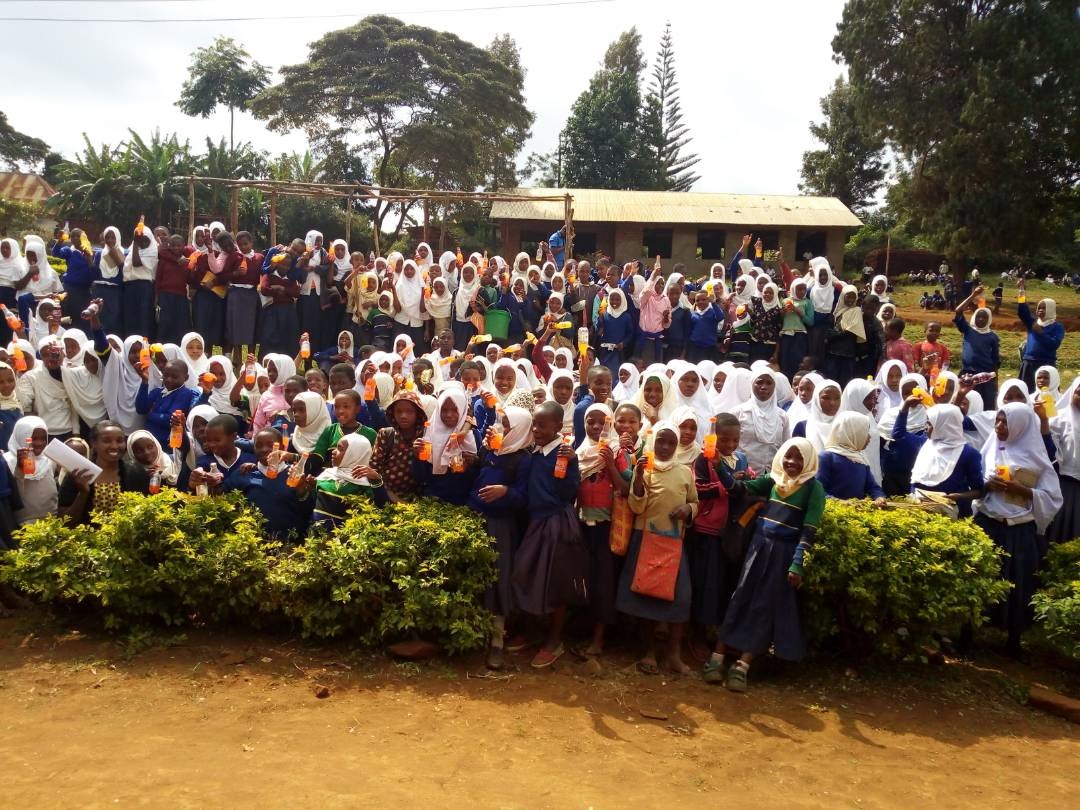
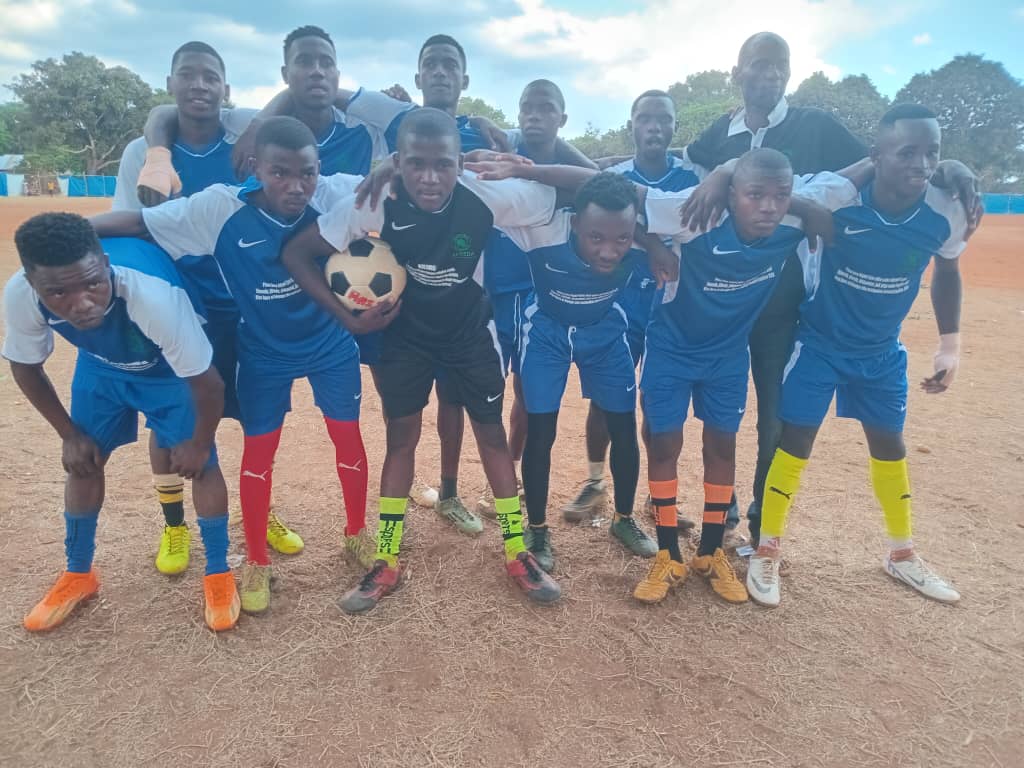
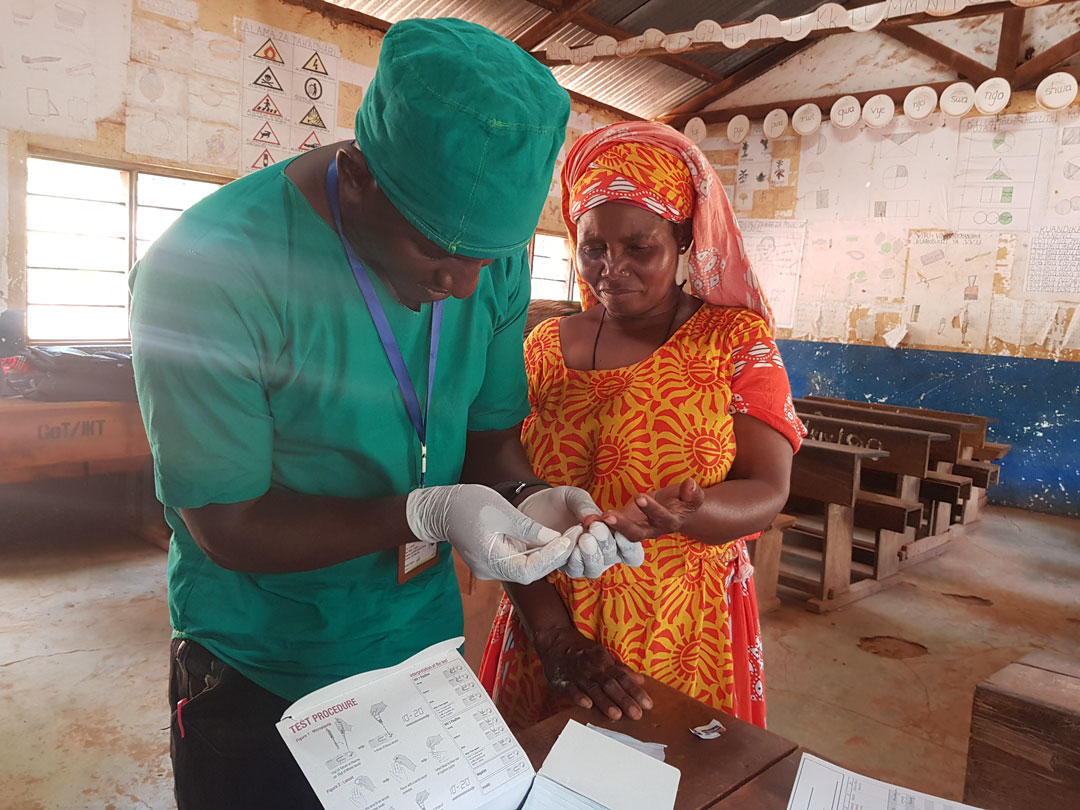
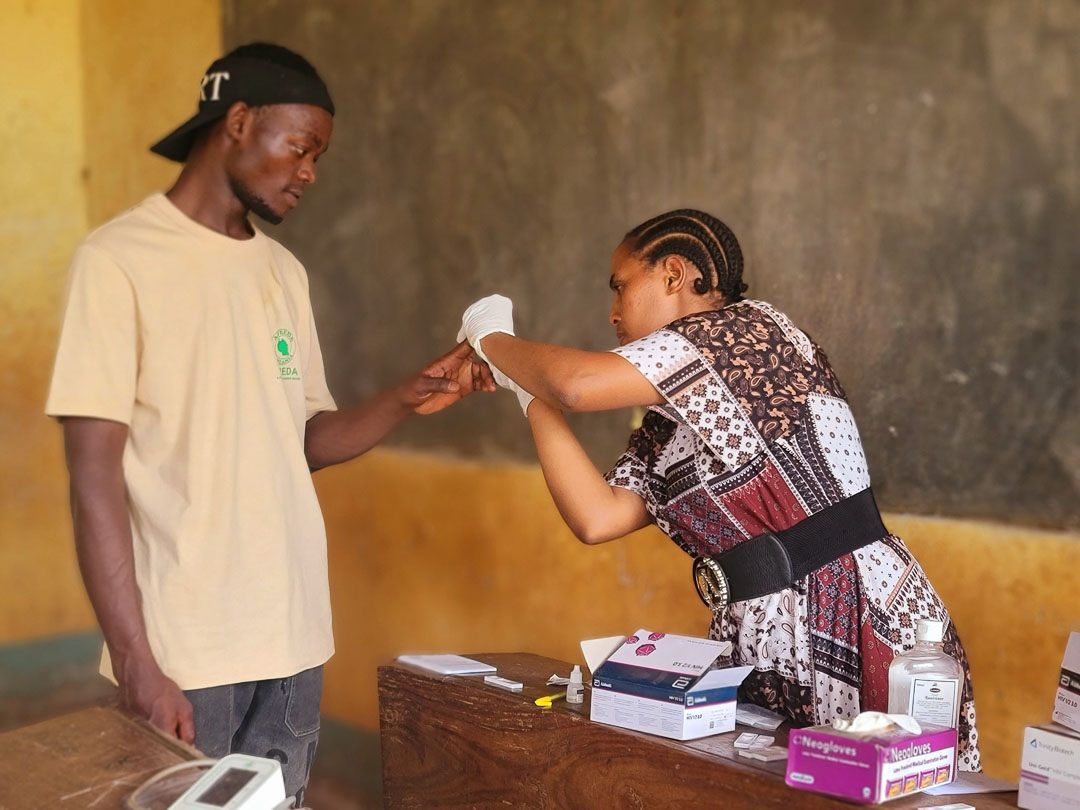
HIV, AIDS, and malaria testing were conducted as part of a broader sensitization campaign to raise awareness, promote early detection, and encourage healthy practices among the population.
HUMAN RIGHTS, DEMOCRACY, CIVIL SOCIETY AND PEACE BUILDING PROGRAMME.
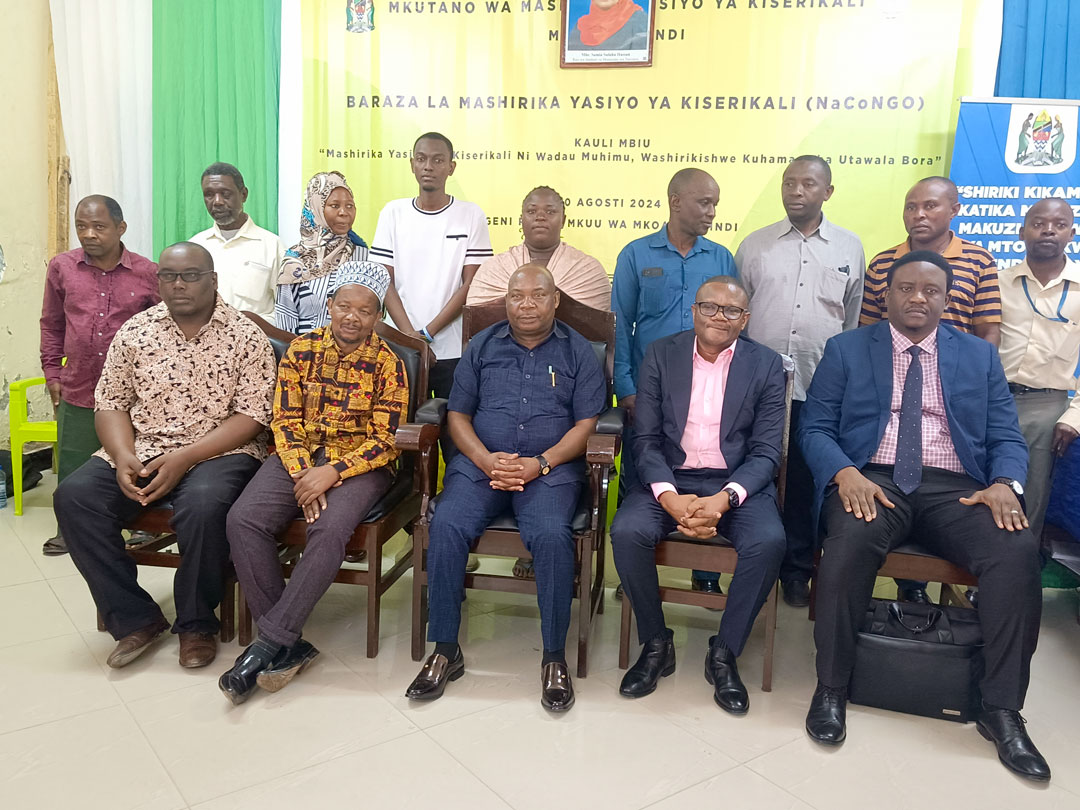
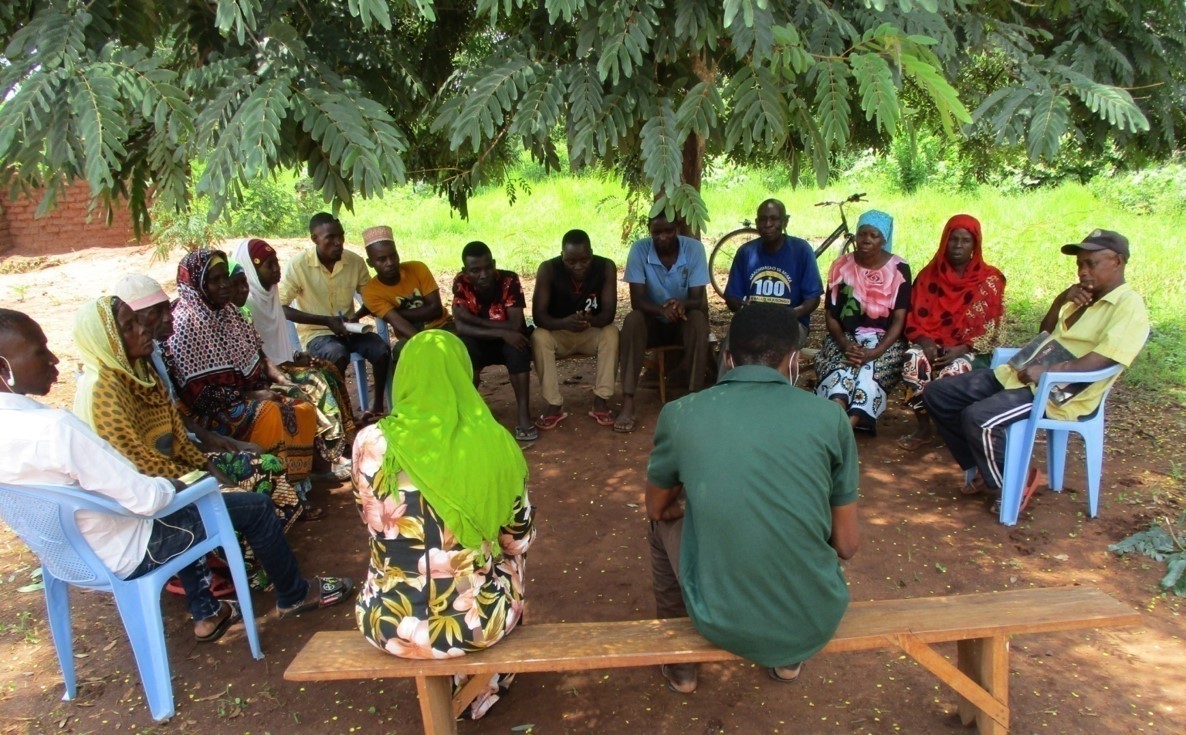
With regard to human rights, democracy, civil society and peace building AFREDA has facilitated the restoration of peace between farmers and pastoralists who have been in conflict over land in Morogoro Region. AFREDA has supported organization development of over 100 NGOs and CBOs in Zanzibar and over 1,000 NGOs in mainland Tanzania. AFREDA has further facilitated workshops on resolving clan conflicts in Mara Region.
CHILDREN & YOUTH DEVELOPMENT PROGRAMME.
AFREDA has been working with children and youth since its inception. Notable achievements in this regard include the provision of income generation support to families and households taking care of children in Kagera Region, in Mara Region, in Kilimanjaro Region, in Lindi Region, in Morogoro Region and in Tanga Region. With regard to Coast Region, AFREDA has supported children taking care of fellow children at family level where all are orphans whose parents have died of AIDS. In Tabora Region AFREDA has pulled out of child labor 1,500 children and brought them back to school. In Mara Region AFREDA has supported families taking care of children living in difficult circumstances.
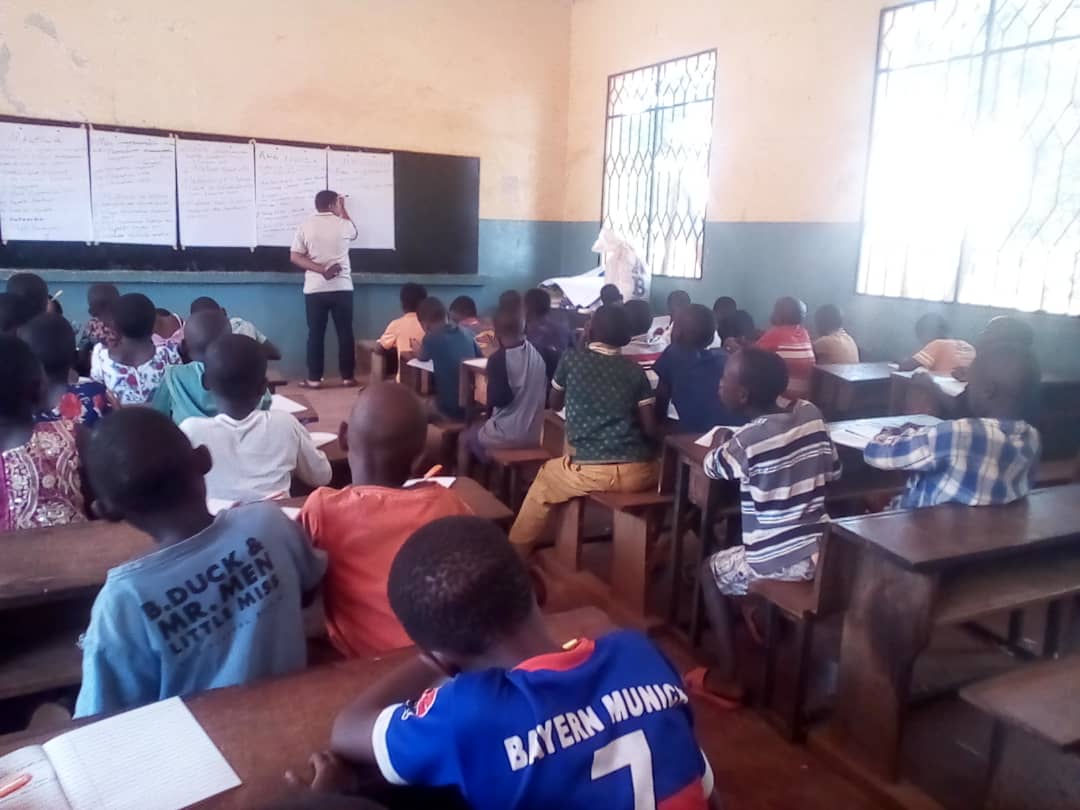
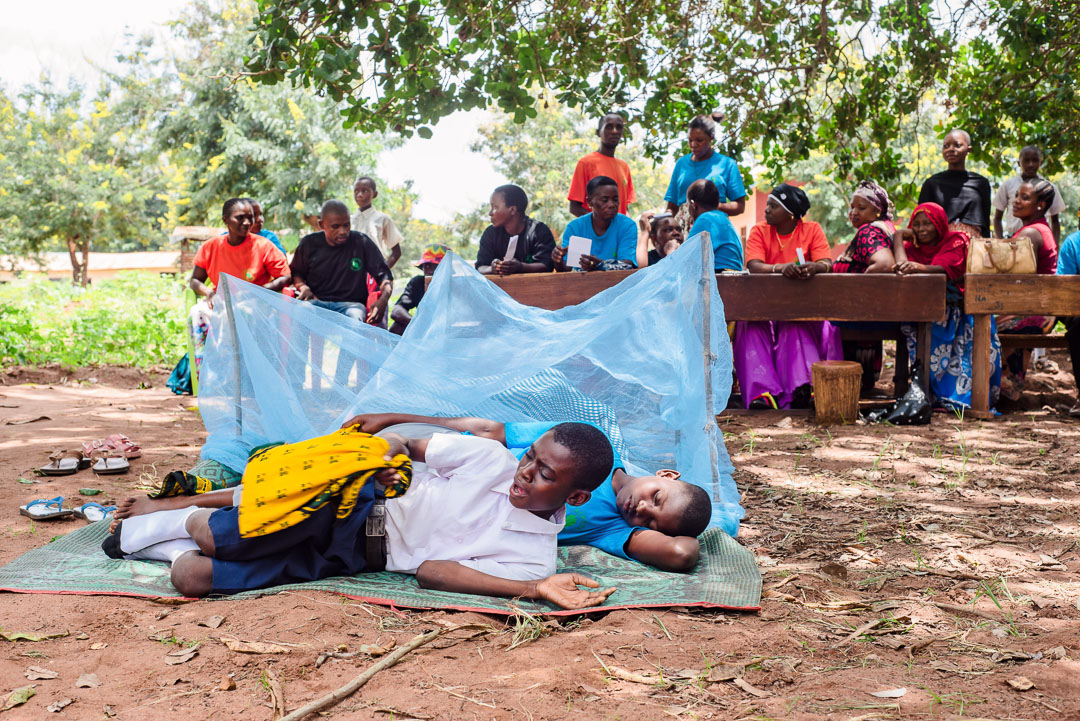
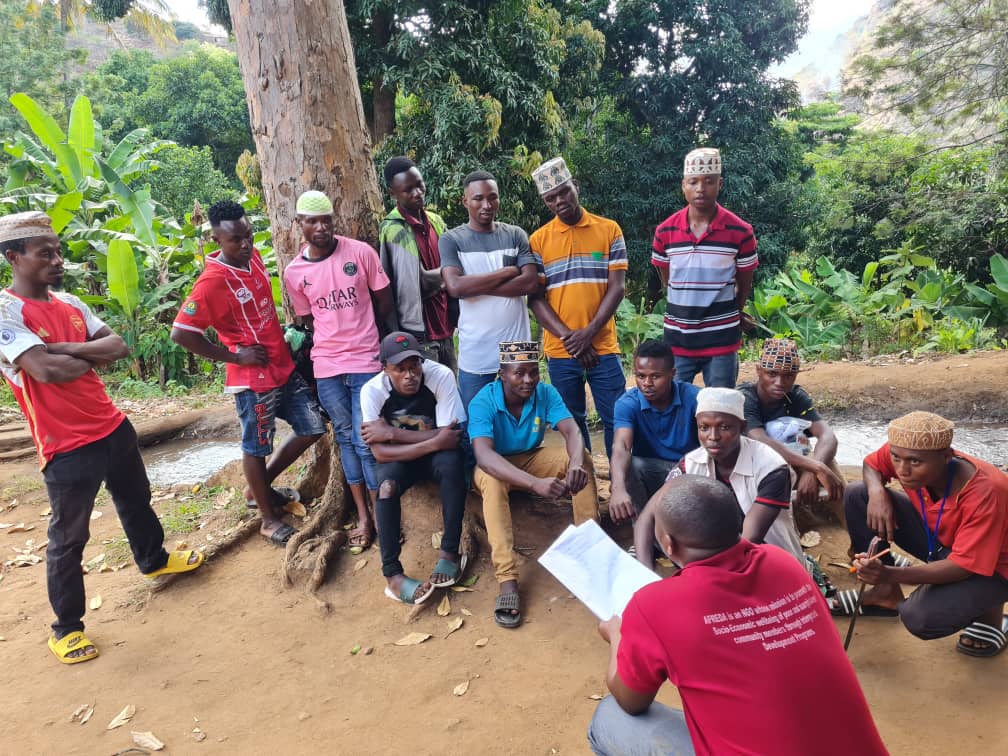
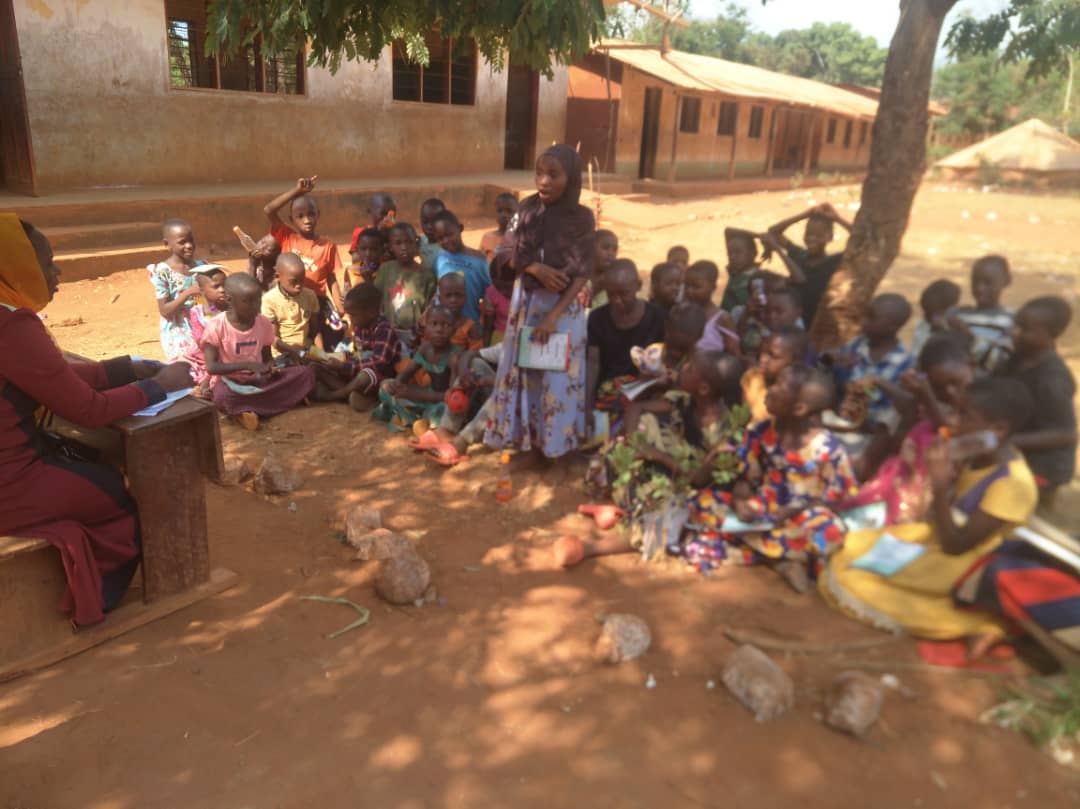
AFREDA further promotes school children’s education by constructing school class rooms, by constructing dormitories, by constructing health and hygiene facilities in schools, by securing and providing scholarships for talented children, by constructing clean water facilities in schools, by constructing teacher’s houses, by providing required text books, by constructing laboratories and libraries in schools in Tanzania. We further promote sexual and reproductive health and rights education, education and awareness to combat Malaria, Bilharzia, Cholera, STIs and HIV and AIDS in school.